CLEANFOREST is organized in 4 WGs addressing the three Challenges vertically (from the atmospheric components of the global change drivers down to tree and soil in forest ecosystems) and horizontally (along the continuum NPU forests).
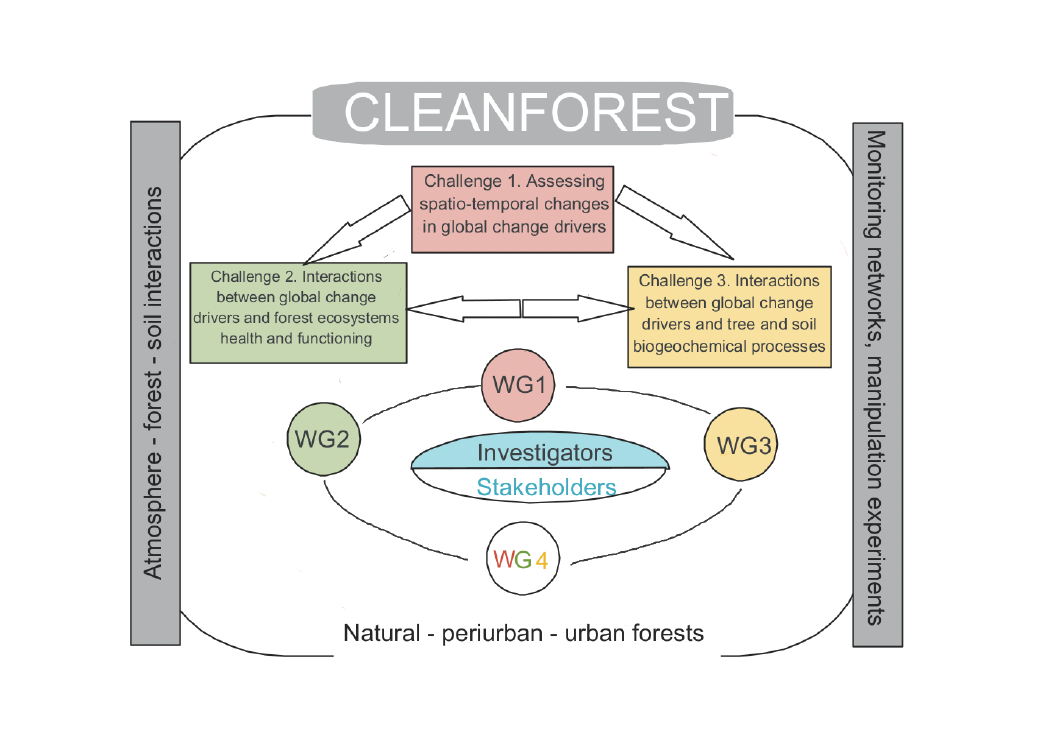
WG1 will provide a comprehensive overview of where and how global change drivers have changed over the last decades in Europe. The dataset produced will be crucial to achieve objectives within WG2 and WG3, exploring the effects of global change drivers on trees and soil processes. Finally, WG4 will review existing manipulation experiments and monitoring networks (in collaborations with WGs 2-3), to identify limitations and knowledge gaps that can be overcome with future transdisciplinary and international research initiatives.
- WG1: Assessing spatial-temporal changes in global change drivers
- WG2: Interactions between global change drivers and forest ecosystems health and functioning
- WG3: Interactions between global change drivers and tree and soil biogeochemical processes
- WG4: Next generation manipulation experiments and monitoring network
WG1: Assessing spatial-temporal changes in global change drivers
Core team
Ajinkya Deshpande
Maria Alexandra Oliveira

Arne Verstraeten

Rocío Alonso del Amo
Specific goals and link to the main Challenges
- Identify and merge datasets available for atmospheric N and S deposition and different approaches used across different monitoring networks (ICP Forests, EMEP, EAA, Ecosystem monitoring network of NEC Directive, and Copernicus) and local citizen science initiatives (e.g. in cities) (Q1.1-1.5).
- Define extreme climate events (focus on hot extremes and droughts) and harmonize datasets to assess their frequency and severity across Europe by using meteorological data from the sites identified in the OBJ1.1 and by the other WGs.
- Identify spatial hotspots for global change drivers across Europe (Q.1.1-1.2).
Current activities
Climate hotspots affecting European forests
Description: Mapping the spatial and temporal climate hotspots in the European forests, i.e., identifying the European regions where the effects of global warming are significantly amplified, with pronounced changes in temperature, precipitation, and other climate or climate-related variables showing the most significant increase in the frequency or severity of extreme events such as droughts in the last decades. An hotspot is a region where the climatic elements (e.g., precipitation, air temperature and humidity, VPD, etc.) and parameters (e.g., drought indices, descriptive characteristics of drought such as number/frequency, duration, severity and intensity) relevant to the forest assume: (i) high or extreme positive (e.g., heat wave) or negative (e.g., cold wave, frost) values (spatial hotspots); and, (ii) significant changes, e.g. increasing or decreasing trends (temporal hotspots).
Key contact: Mário Gonzalez Pereira (gpereira@utad.pt)
Long-term hotspots of drought and air pollution extremes over European forests
Description: Defining air pollution and climate (drought) hotspots in Europe from 1990 up to 2023, their co-occurence, to identify forest areas at risk in Europe. Datasets include drought indices, modelled nitrogen and sulfur deposition from EMEP, modeled forest ecosystems’ acidification and eutrophication database from UBA
Key contact: Maria Alexandra Oliveira (maoliveira@ciencias.ulisboa.pt)
Trends of nitrogen and sulphur throughfall deposition to European forests under the Air Convention
Review of atmospheric nitrogen and sulphur deposition monitoring techniques.
Contact: Raquel Ruiz (Raquel.RuizCheca@ciemat.es), Ajinkya Deshpande (AjiDes@ceh.ac.uk) and Rocio Alonso (rocio.alonso@ciemat.es)
WG2: Interactions between global change drivers and forest ecosystems health and functioning
Core team


Caitlin Ruth Lewis



Specific goals and link to the main Challenges
- Data mining (tree-ring isotopes, dendrometers, tree health, inventory tree growth and mortality, ecosystem fluxes) to investigate how climate extremes and atmospheric deposition interact and affect the response of European forests to increasing atmospheric CO2 (Q.2.1-2.6).
- Identification of more vulnerable tree species and forests to global change factors (Q2.4-2.5).
- Testing the tree mortality framework recently proposed (*)see e.g.,McDowell et al. (2008). New Phytologist 178, 4, 719-739 and Gessler et al. (2017). New Phytologist 214, 513–520, by including long-term nutrient deposition/availability and uptake in mortality assessments (Q.2.3-2.4-2.5).
Current activities
We are currently working on a review paper, which aims to provide an overview on the status of European forests with focus on growth, water-use efficiency and mortality as assessed at different scales (tree, ecosystem, regional and continental). Specific sub-groups are:
- Influence of N/S deposition and climate extremes on forest response to CO2 – focus on growth (contacts: Danielle Creek and Mathieu Lévesque)
- Influence of N/S deposition and climate extremes on forest response to CO2 – focus on WUE (contacts: Rossella Guerrieri and Maurizio Mencuccini)
- Mortality patterns across Europe (contacts: Thomas Pugh and Nikos Fyllas).
Get in touch if interested!
WG3: Interactions between global change drivers and tree and soil biogeochemical processes
Core team



Charlotte Angove
Mirco Migliavacca

Kate Buckeridge
Douglas Godbold
Specific goals and link to the main Challenges
- Assess the effects of atmospheric deposition and climate extremes on soil organic matter pools and subsequent N storage and cycling in soils and trees, and consequently assess N limitation and saturation in European forests (Q3.1-3.5).
- Quantify the interactive effects of N and climate extremes on forest C balance and allocation (above and belowground), soil C inputs and flows and soil GHG fluxes (Q3.2-Q3.3).
- Evaluate the role of aboveground biodiversity (tree diversity and identity) and belowground biodiversity response to N depositions and climate extremes, as potential mitigation measures (Q3.3-3.5).
Current activities
We are currently drafting two literature review papers:
- Topic 1. The role of N deposition to litterfall and soil C stocks (contact: Charlotte Angove: charlotte.angove@helsinki.fi)
- Topic 2. The influence of N deposition on soil biodiversity and soil C in EU forests (contact, kate.buckeridge@list.lu).
WG4: Next generation manipulation experiments and monitoring network
Core team
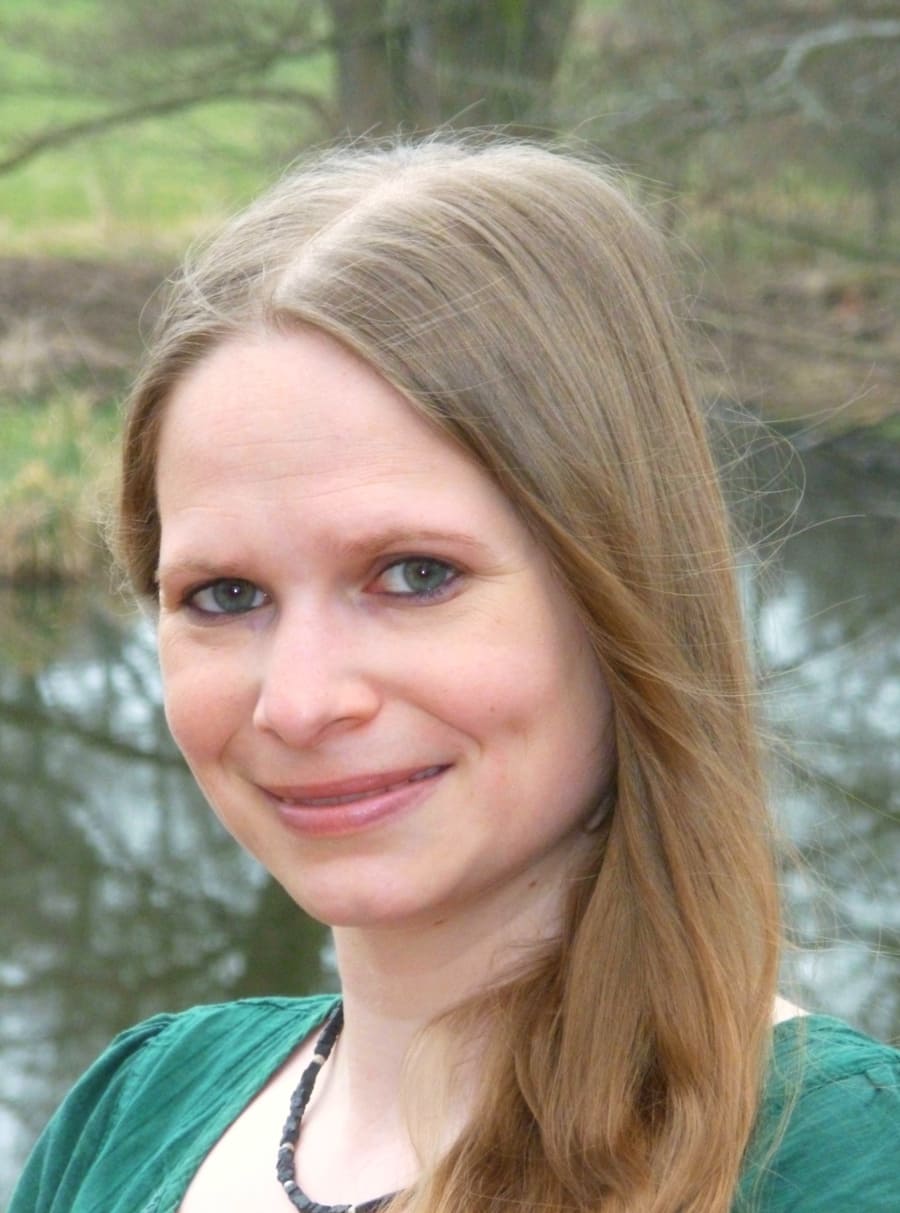
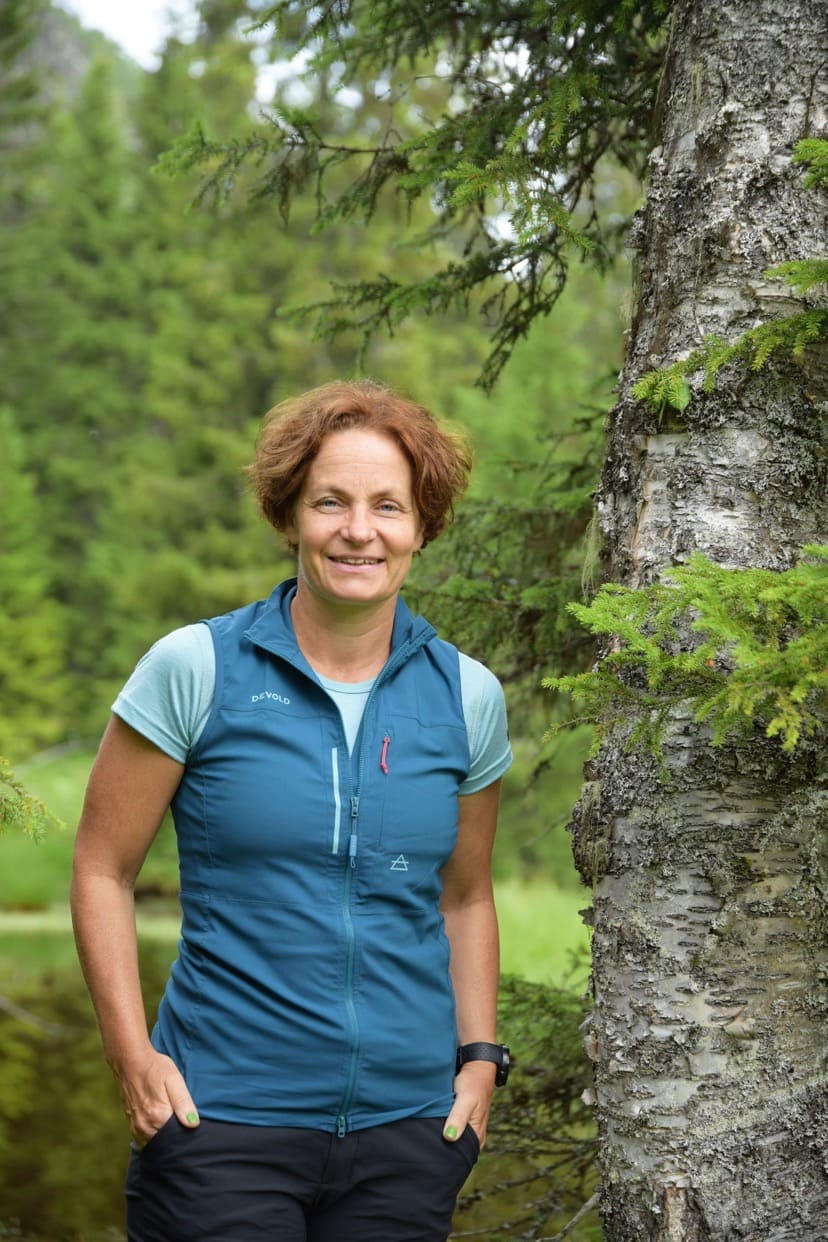
Line Nybakken
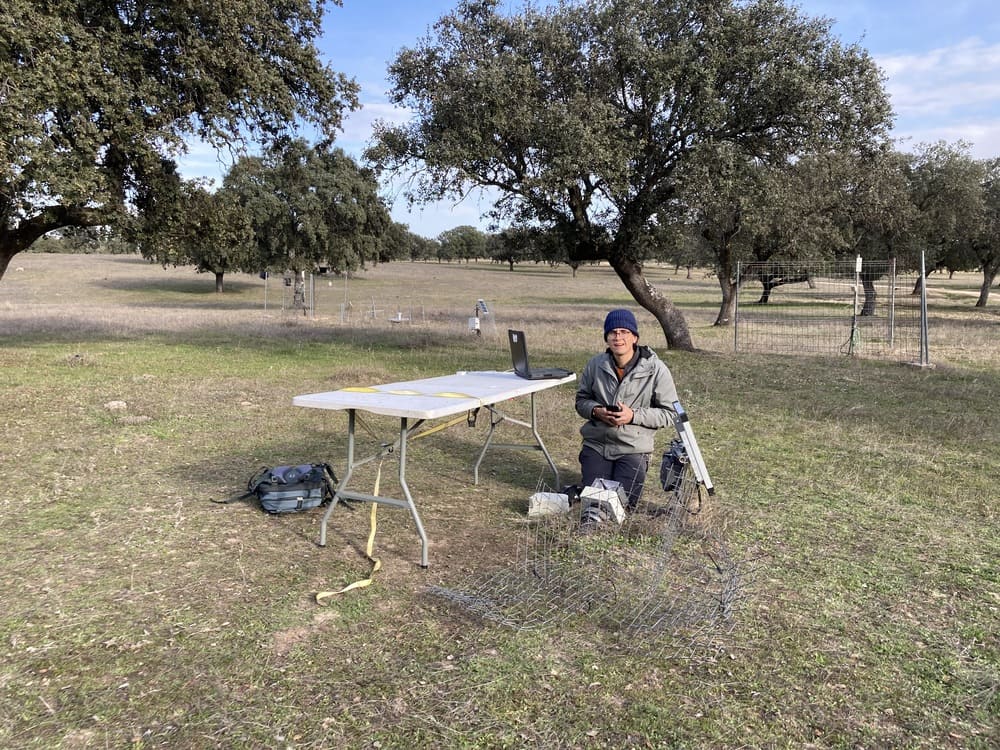
Richard Nair

Marco Ferretti
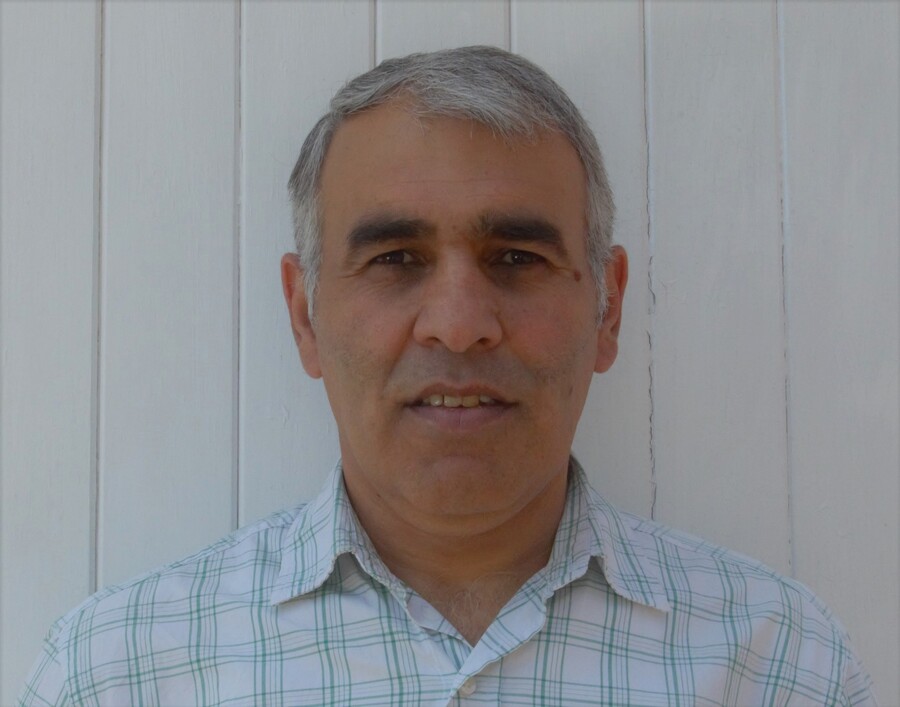
Sami Ullah
Specific goals and link to the main Challenges
- Reviewing existing manipulation experiments and gathering existing monitoring networks (synergy with WG1) in Europe and worldwide.
- Summarizing main results on the effects of treatments applied (experiments) or observed deposition level (monitoring) on eco-physiological parameters, health, growth and diversity of forests, as well as on biogeochemical processes (synergy with WGs2-3).
- Identifying methodological limitations and/or unanswered questions in existing research infrastructures (synergy with all WGs).
Current activities
We are working on a review and systematic metastudy on the effect of climate extremes on forest productivity and forest health under different nitrogen deposition scenarios. We do so by using the established MESI database (https://doi.org/10.1111/gcb.16585) and try to complement the data by our own systematic webofscience scoping.
Key contacts: Robert Weigel (robert.weigel@uni-goettingen.de) and Richard Nair (richard.nair@tcd.ie).
Within WG4 we are also conducting a review on forest resilience, with specific goals of identifying indicators used in the literature for assessing forest resilience to different global change factors and verifying whether current monitoring and inventorying networks incorporate these indicators. Key contacts: Thu Uyen Bui (thu.bui@unimi.it), Marco Ferretti (marco.ferretti@wsl.ch) and Rossella Guerrieri (rossellaguerrieri@gmail.com).